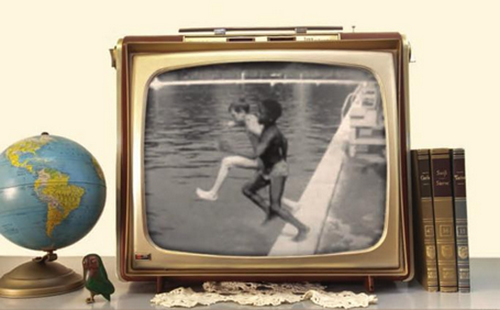
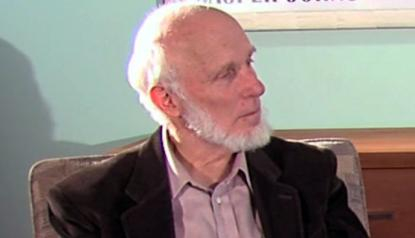
Anna McCarthy delves into the role of television in articulating what it meant to be a citizen in the early days of the Cold War in the United States, an issue addressed in her book, "The Citizen Machine: Governing by Television in 1950s America."
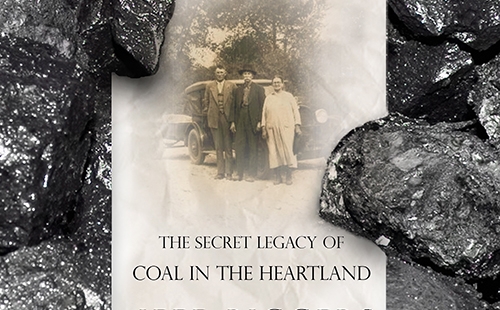
Journalist Jeff Biggers discusses the history of coal mining in Illinois and the nation, focusing on the full costs of coal, especially the toll its production takes on people and the environment.
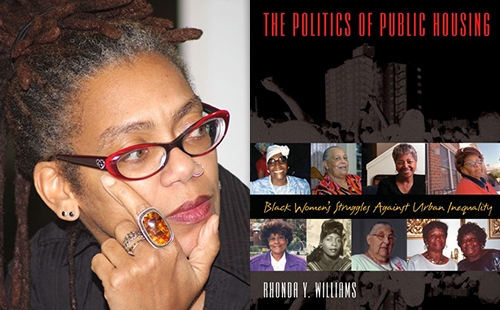
Historian Rhonda Williams discusses public housing policy in Baltimore since the 1930s. Williams suggests that this urban space became a center of debate over the meaning of race, equality, and citizenship in the U.S.
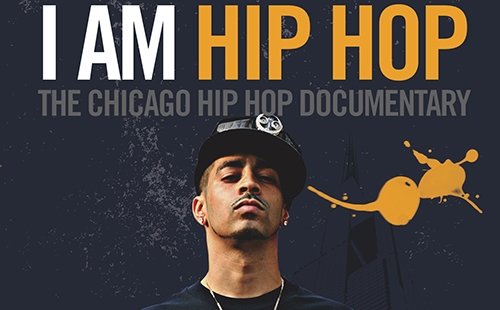
Documentary filmmaker and sociologist Geoff Harkness discusses his film, "I Am Hip Hop: The Chicago Hip Hop Documentary." The film explores the world of underground hip hop in Chicago and provides a unique perspective on this vibrant music scene.
Historian Thomas J. Sugrue discusses President Obama's life and political development in the context of the Civil Rights Movement, persistent economic inequality, and the myth of the U.S. as a “post-racial” society.
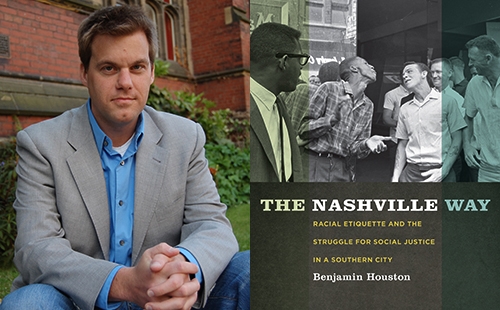
Historian Benjamin Houston discusses race, civil rights, and urban life in Nashville, Tennessee during the middle third of the twentieth century. In particular, he introduces the concept of “street theater” to describe how Jim Crow was played out by black and white Nashvillians as they navigated — and in some cases challenged — the racial etiquette of the city every day.
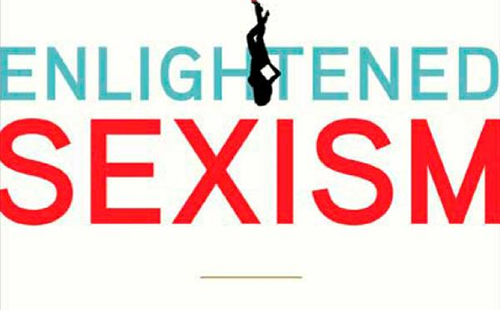
Susan J. Douglas, author of the book "Enlightened Sexism: The Seductive Message that Feminism’s Work is Done," discusses how media myths — from reality TV to the news — undermine continued importance of feminism in the 21st century.
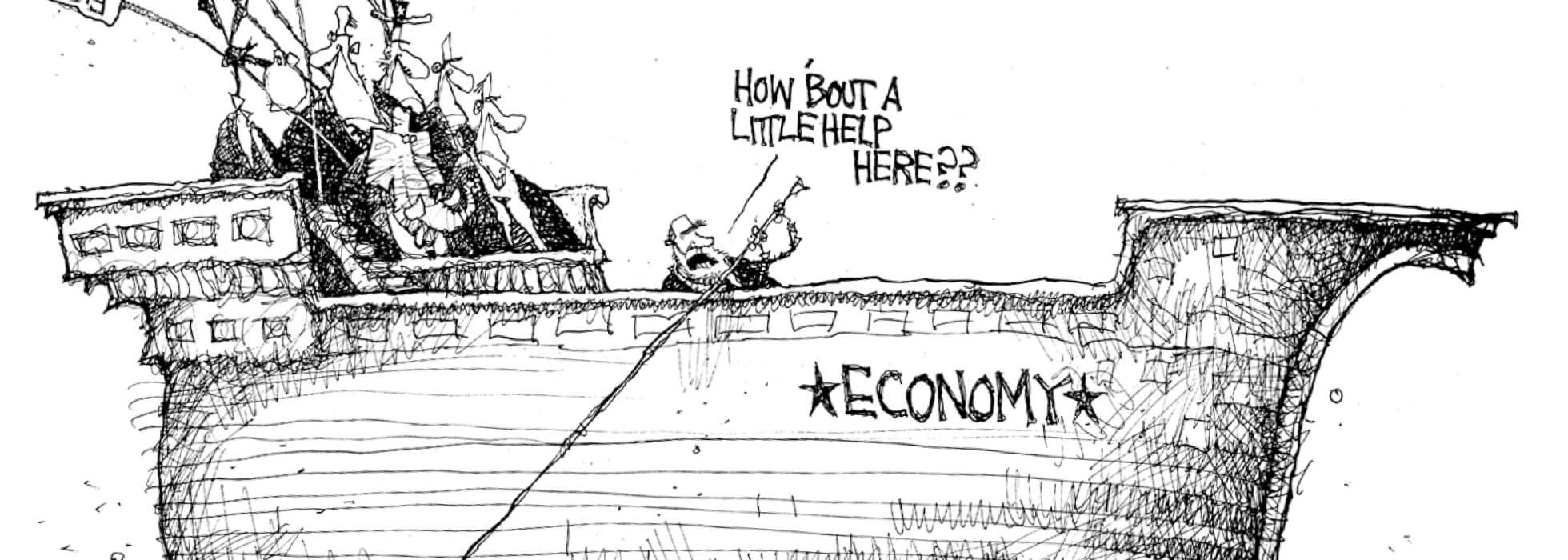
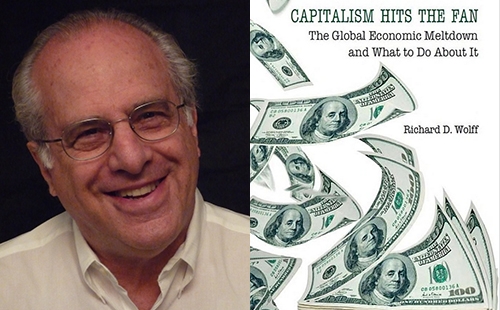
Economist Richard D. Wolff, the author of "Capitalism Hits the Fan: The Global Economic Meltdown and What To Do About It," discusses the origins and significance of the housing crisis facing the United States.