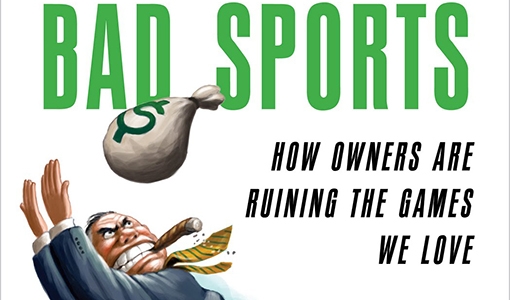
Dave Zirin is the sports editor at The Nation magazine, and the author of a number of books, including "Bad Sports: How Owners are Ruining the Games We Love," and most recently, "The John Carlos Story: The Sports Moment that Changed the World" (with John Carlos). In this interview, he discusses the public financing of stadiums, the NFL and NBA lockouts, and the Penn State scandal, among many other issues.
Colby College historian James R. Fleming discusses his book, "Fixing the Sky: The Checkered History of Weather and Climate Control." Fleming’s work traces the efforts of visionaries and charlatans since antiquity to manipulate weather and climate, including weather manipulation in classical mythology, 19th century attempts to make it rain, and British military undertakings to clear fog from airport runways during World War II. Fleming strongly cautions against proposals for “geoengineering” to mitigate climate change.
Historian David Kinkela discusses his book, “DDT and the American Century: Global Health, Environmental Politics, and the Pesticide that Changed the World.” Increasingly used as a “miracle” agricultural pesticide and malaria deterrent, DDT fell into disfavor after the publication of Rachel Carson’s “Silent Spring” in 1962.
Historian Scott R. Nelson discusses what he calls “Occupy Chicago, 1894,” a grassroots movement of railroad workers led by Eugene V. Debs that spread from a Chicago strike to much of the country, with railroad workers and many others demanding significant changes in American labor relations.
Fred Magdoff goes against much of the “conventional wisdom” of environmentalism, arguing that the economic imperatives of our current social system are incompatible with the goals of environmental sustainability.
Journalist Michael Hudson explores the origins and conduct of the sub-prime mortgage industry, showing how firms often preyed on the weak, avoided public scrutiny of corrupt and illegal practices, and contributed to the economic crisis of 2008.
Communications scholar Zack Furness considers the history of bicycling in the 20th century and shows how bicycle technology has been used and politicized.
Historian Lawrence Culver explores the role of leisure and tourism in shaping California’s economy, architecture, and environment since the late 19th century. He shows how California created, and then exported, its image and “lifestyle” to the rest of the nation — and the world.
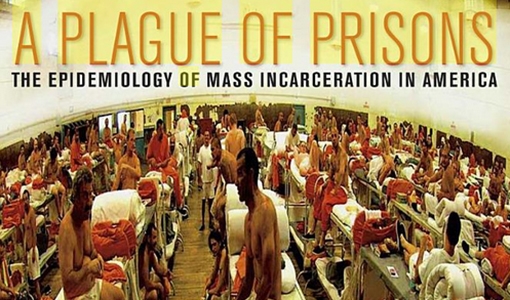
Ernest Drucker describes the current “plague” of mass incarceration in the U.S., locating its origins in policies at the heart of the “War on Drugs” in the 1970s and then arguing that this social crusade became a damaging and self-perpetuating system.