Historian Susan Reverby discusses her recent discovery that the U.S. Public Health Service, as part of a study on the transmission of syphilis, intentionally infected nearly 700 people with the disease in Guatemala during the late 1940s.
Peter Richardson discusses his book, "A Bomb in Every Issue: How the Short, Unruly Life of Ramparts Magazine Changed America." Richardson’s study follows the birth, life, and death of this San Francisco magazine that in the 1960s and 1970s helped to revive American muckracking journalism.
Historian Nell Irvin Painter is the author of "The History of White People," which traces the origin of a white racial identity in world history, with particular attention to the role the United States played in solidifying “whiteness.”
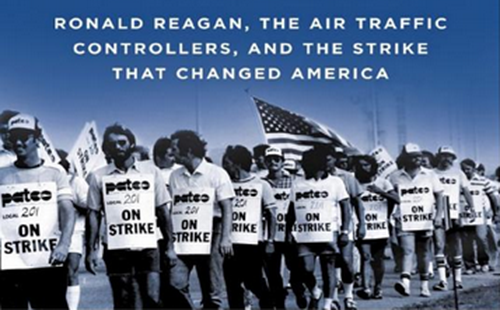
Georgetown University historian Joseph A. McCartin discusses the history of public sector union activism in the U.S. during the 20th century and the current struggle to preserve union rights in Wisconsin.
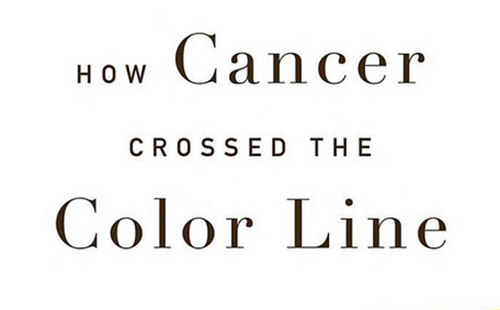
Historian Keith Wailoo discusses the role of race in constructing scientists’ and the public’s evolving understanding of cancer in the United States during the twentieth century.
Historian Robert Vanderlan discusses the tension between the intellectuals who wrote for Fortune, Time, and Life magazines from the 1930s to the 1950s and the owner of these outlets: Henry Luce.
Steven Hahn discusses how the ways that many scholars -- and Americans, generally -- have thought about the Civil Rights Movement leaves important currents and ideas out of the story.
Historian Jay D. Aronson discusses role that science – DNA testing and brain imaging, specifically – plays in the criminal justice system in the United States.