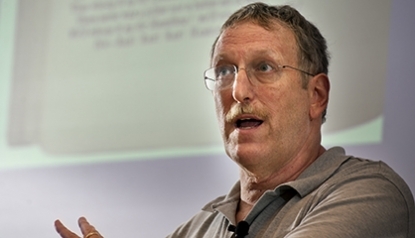
An interview with Professor Maurice Isserman, Michael Harrington's biographer, on the occasion of the 50th anniversary of Harrington's landmark examination of poverty in America.
Single-payer advocate argues that a profit-driven system invariably subordinates patient needs; that ACA reforms are inadequate; and that forcing patients to have more "skin in the game" is deeply misguided.
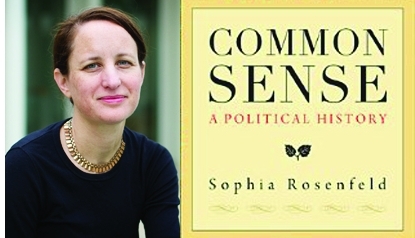
Politicians have used and abused the term “common sense” for a long time. A discussion of the history of the term and why appeals to common sense need to be scrutinized carefully.
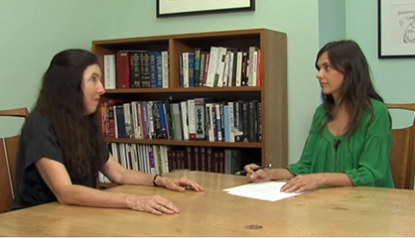
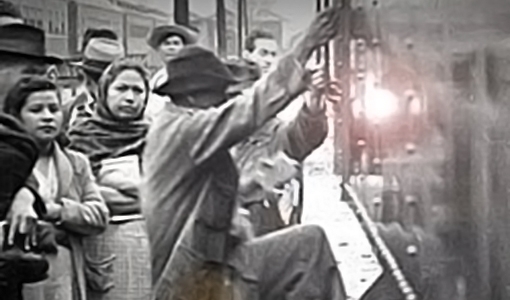
An interview with Vivian Price, assistant professor of interdisciplinary studies at California State University, Dominguez Hills, and a co-producer of a documentary film called, “Harvest of Loneliness: The Bracero Program.” The film explores the trials faced by the migrants who participated in the Bracero Program, a guest-worker system run by the U.S. government between 1942 and 1964, and the interview with Price considers the legacy of the system and calls into question the wisdom of a new, expanded guest-worker program.
There is an epidemic of cheating in virtually every area of American life. David Callahan, the author of "The Cheating Culture: Why More Americans Are Doing Wrong to Get Ahead," describes the ugly reality and explains the factors behind the problem.
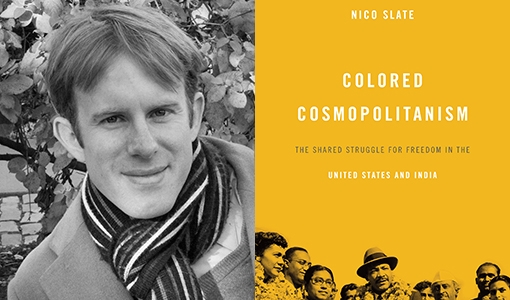
Nico Slate is an assistant professor of history at Carnegie Mellon University and the author of the book, “Colored Cosmopolitanism: The Shared Struggle for Freedom in the United States and India.” Against a backdrop of a shared world defined by imperialism, racism, and economic inequality, Slate’s work explores the early 20th century movements against Jim Crow and British rule, demonstrating how the struggles shared ideas, rhetoric, and some key figures.
Robert W. McChesney, a professor of communication at the University of Illinois, Urbana-Champaign and host of the weekly radio program on WILL-AM 580, “Media Matters” from 2002 to 2012, discusses the 2012 presidential election, Super-PACs and political ads, as well as the press coverage of the Occupy Movement.
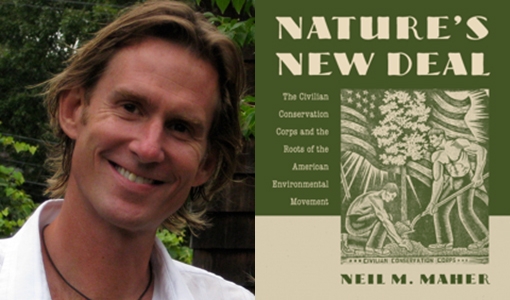
Professor Neil Maher discusses his book, "Nature’s New Deal: The Civilian Conservation Corps and the Roots of the American Environmental Movement." The study explores how the CCC helped transform the conservationist tradition in the U.S. into what we can recognize today as the modern environmental movement. In the interview, Maher explains what “planning” looked like in the 1930s and discusses what a Green New Deal might look like today.
In "The Rise of the Tea Party: Political Discontent and Corporate Media in the Age of Obama," Anthony DiMaggio questions the widely-shared notion that the Tea Party constitutes a “mass movement,” and instead shows how media filters and political power have shaped the perceived size and power of the group. In the interview, DiMaggio also discusses the meaning of “propaganda,” the state of Tea Party in 2012, and the Occupy Movement.