Its substantive response to the crisis at hand was strong, but it has withheld some basic information from the public. Remapping Debate has been obliged to file a freedom of information request. An upcoming City Council oversight hearing will look into a host of issues.
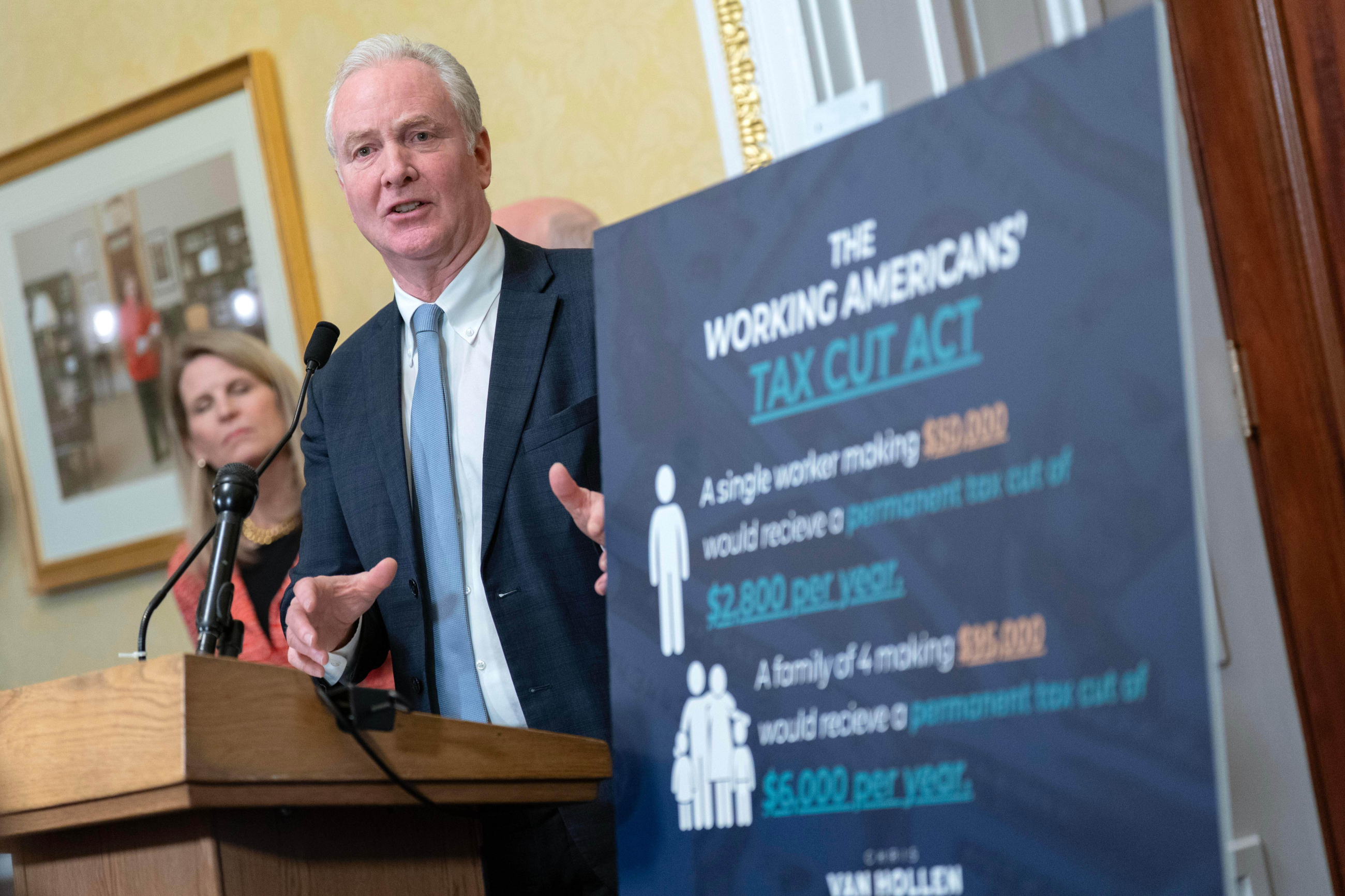
Democrats are caught in a race to the bottom with the GOP on taxes. Making the feedback loop between taxes and government services more visible; providing assurances that government can deliver on its promises; and instilling trust that the tax system is fair are all going to be necessary to convince Americans to tax themselves.
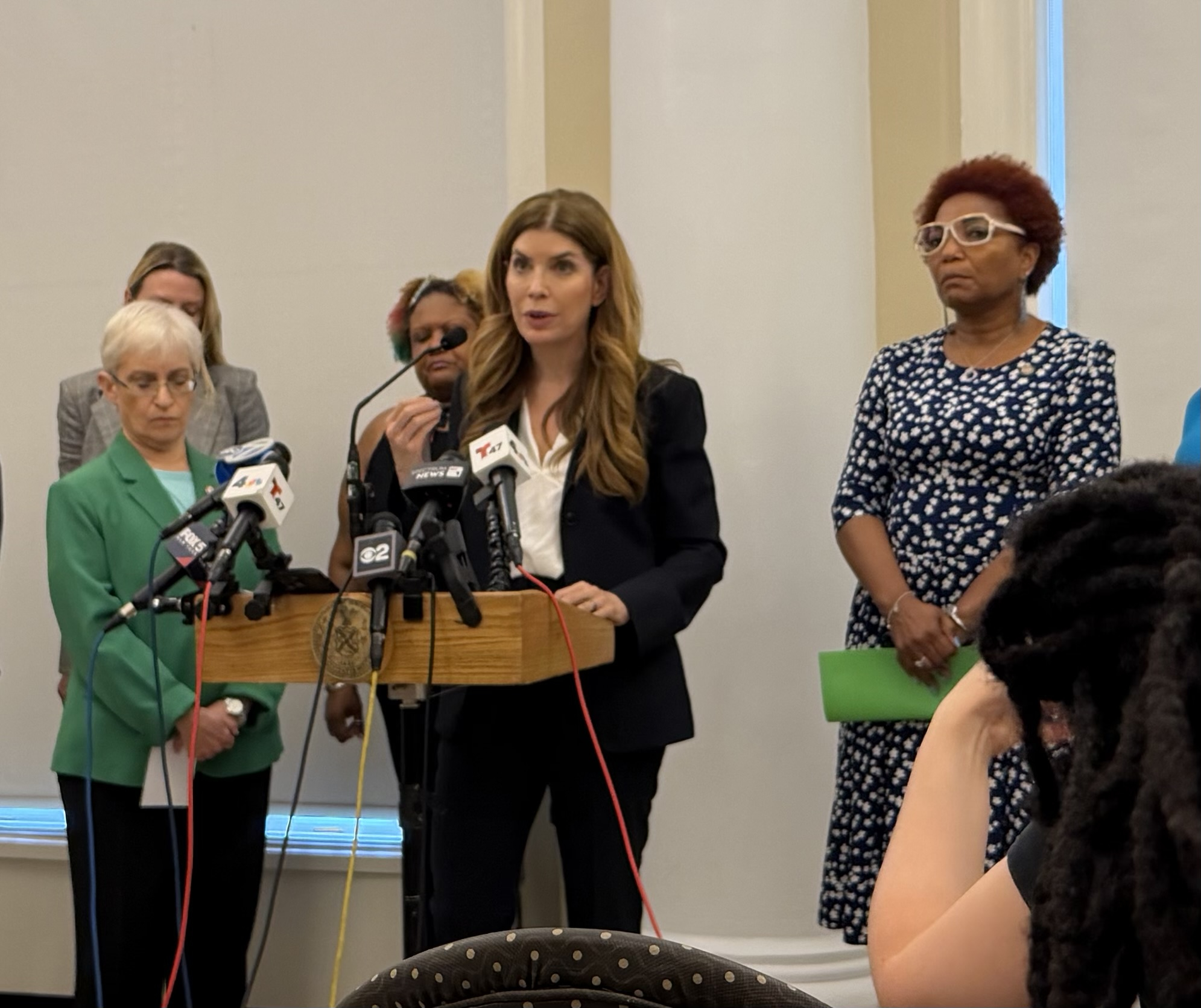
New York City's current Legionnaires' outbreak appears to be ending, but how ready will we be for the next outbreak? Key questions remain as City Council squares off against Mamdani administration.
Placing the tax burden entirely on the ultra-wealthy undermines the already difficult project of expanding government services and increasing infrastructure investment.
Dress it up however you like, the still dominant “it’s ours, not yours” mindset reflects and encourages a New York still mired in the dead ends of separation and exclusion.
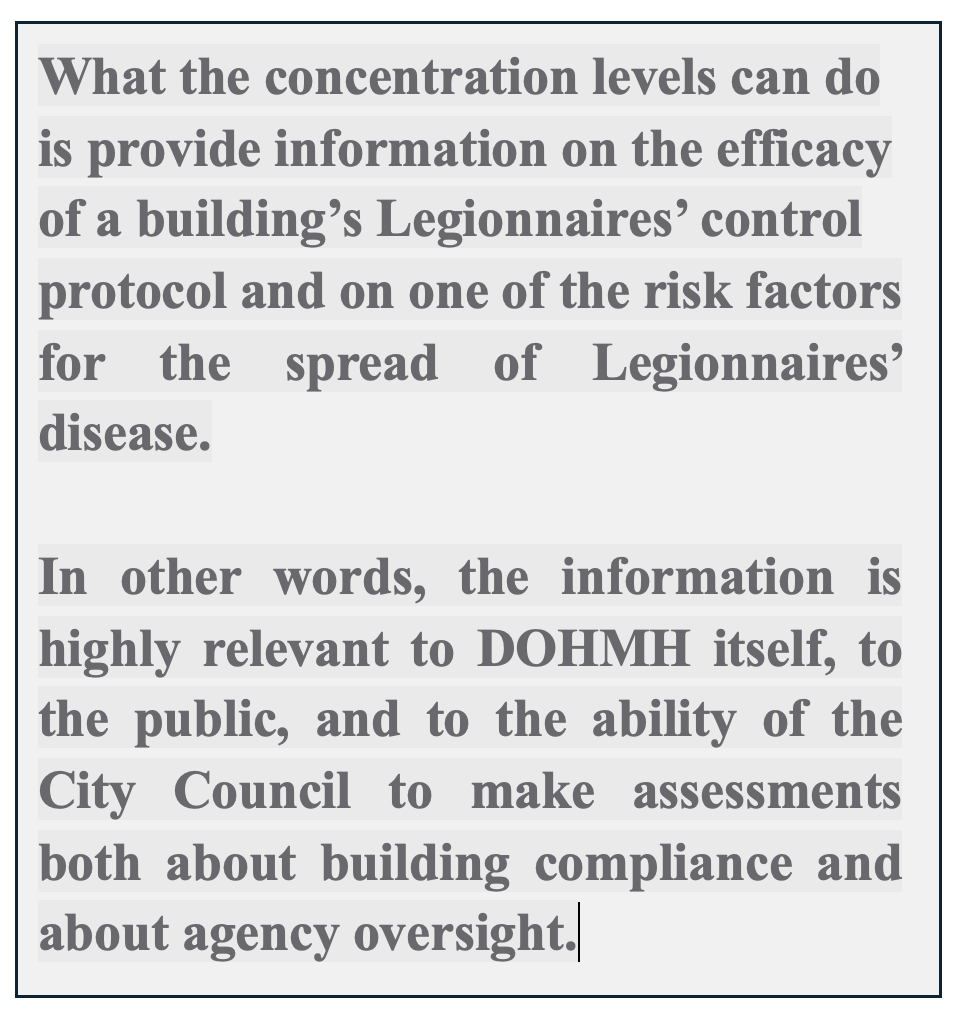
Overall response by NYC’s Health Dept. has been swift and decisive, and outbreak appears to be waning. More fatalities still possible. Questions remain over adequacy of information provided to public. “Privacy” rationale for non-disclosure shaky.
In the face of a new outbreak of Legionnaires’ disease, New York City’s Department of Health and Mental Hygiene quickly pivoted to a strategy of aggressive remediation and significant transparency, with more information promised shortly. But what about describing to the public the common course of Legionnaires’ in more detail?
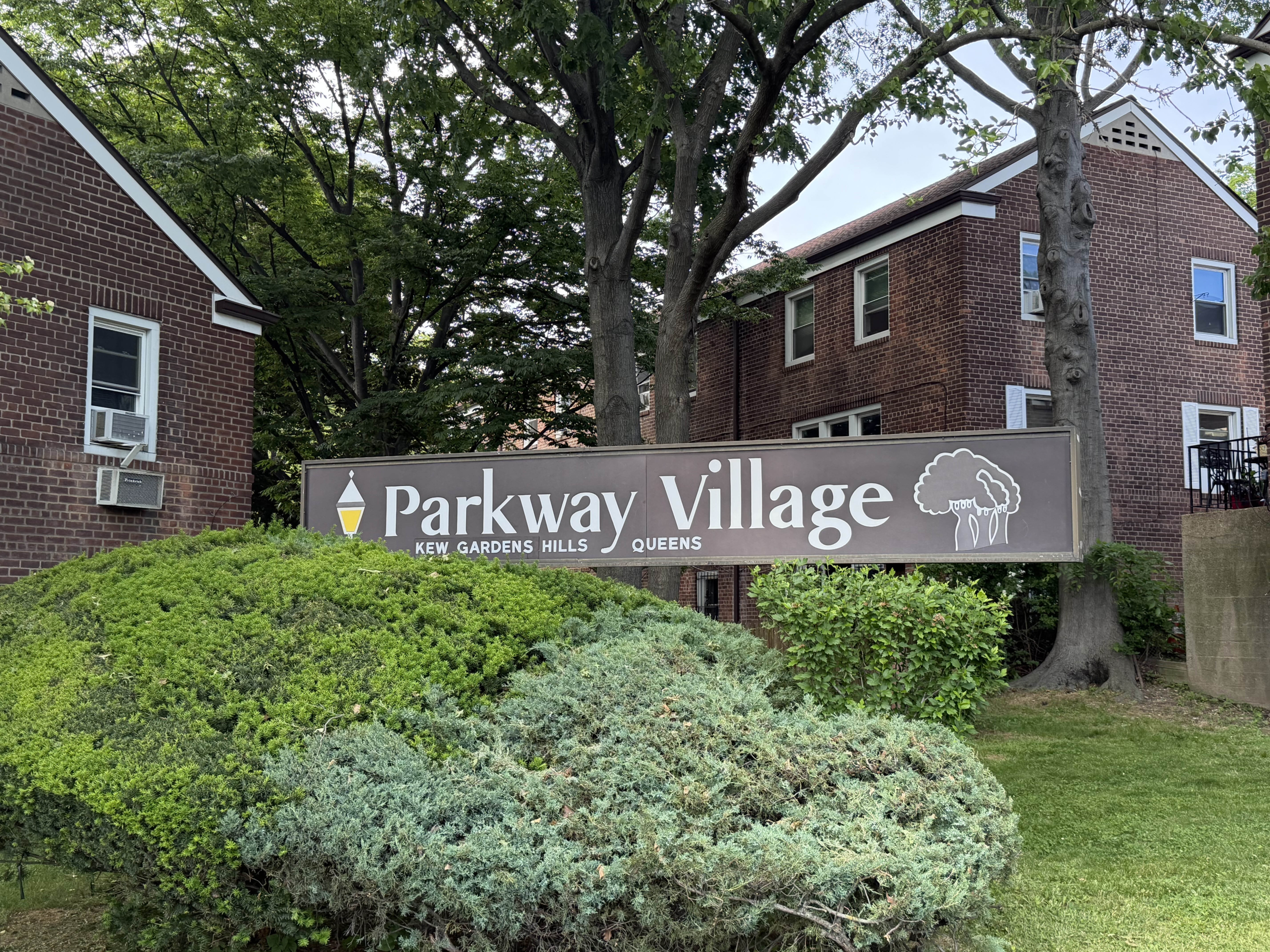
Historian Joshua Freeman's "Garden Apartments" sheds light on an often overlooked part of the nation's housing landscape. He discusses his research and its relevance for today.
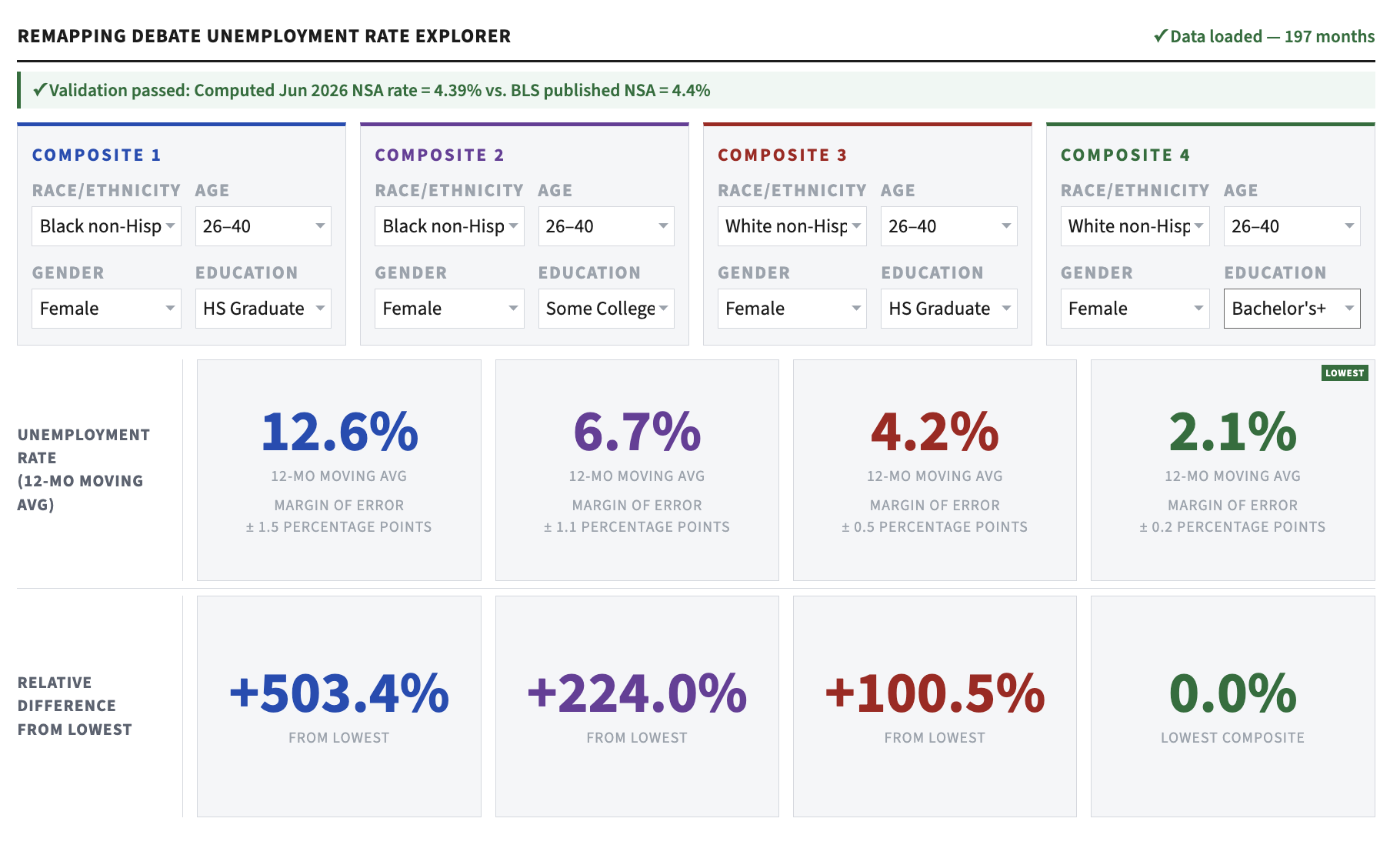
These tools provide ways to look far more deeply into unemployment data -- current data and data over time. You have the ability to compare and contrast up to four demographic composites, each with a race/ethnicity, gender, age, and educational attainment element. Updated with latest (May) data on June 15th.
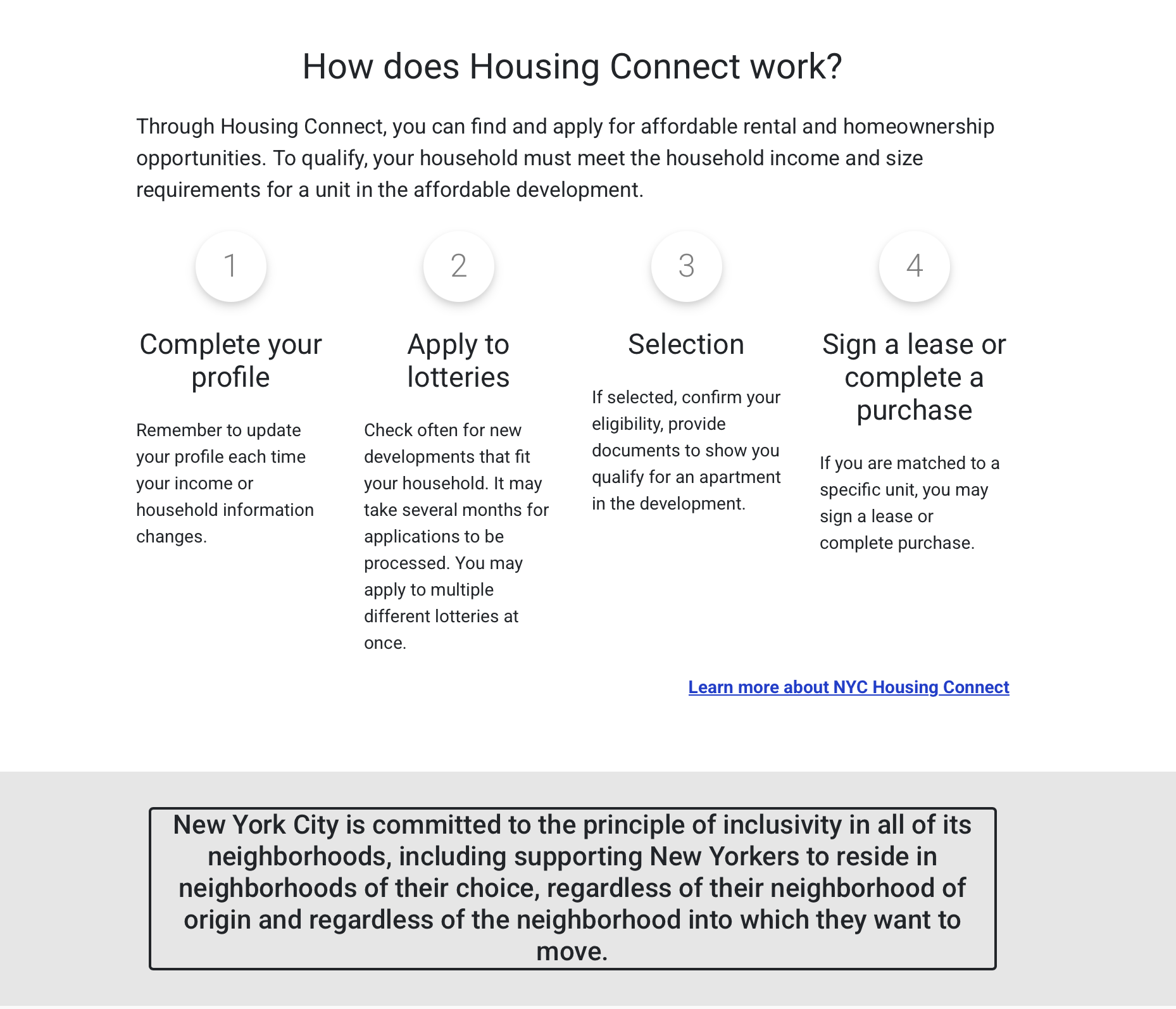
Several proposed changes to the rules of New York City's housing lottery could make the system work more smoothly and efficiently for everyone, but a fetish to uncover what applicants "really" want is a fairness-defeating dead end.
A housing policy tool is gaining momentum that could stimulate lots of mixed-income homes for a relatively small investment. Will partisan ideology stand in the way of its spread?
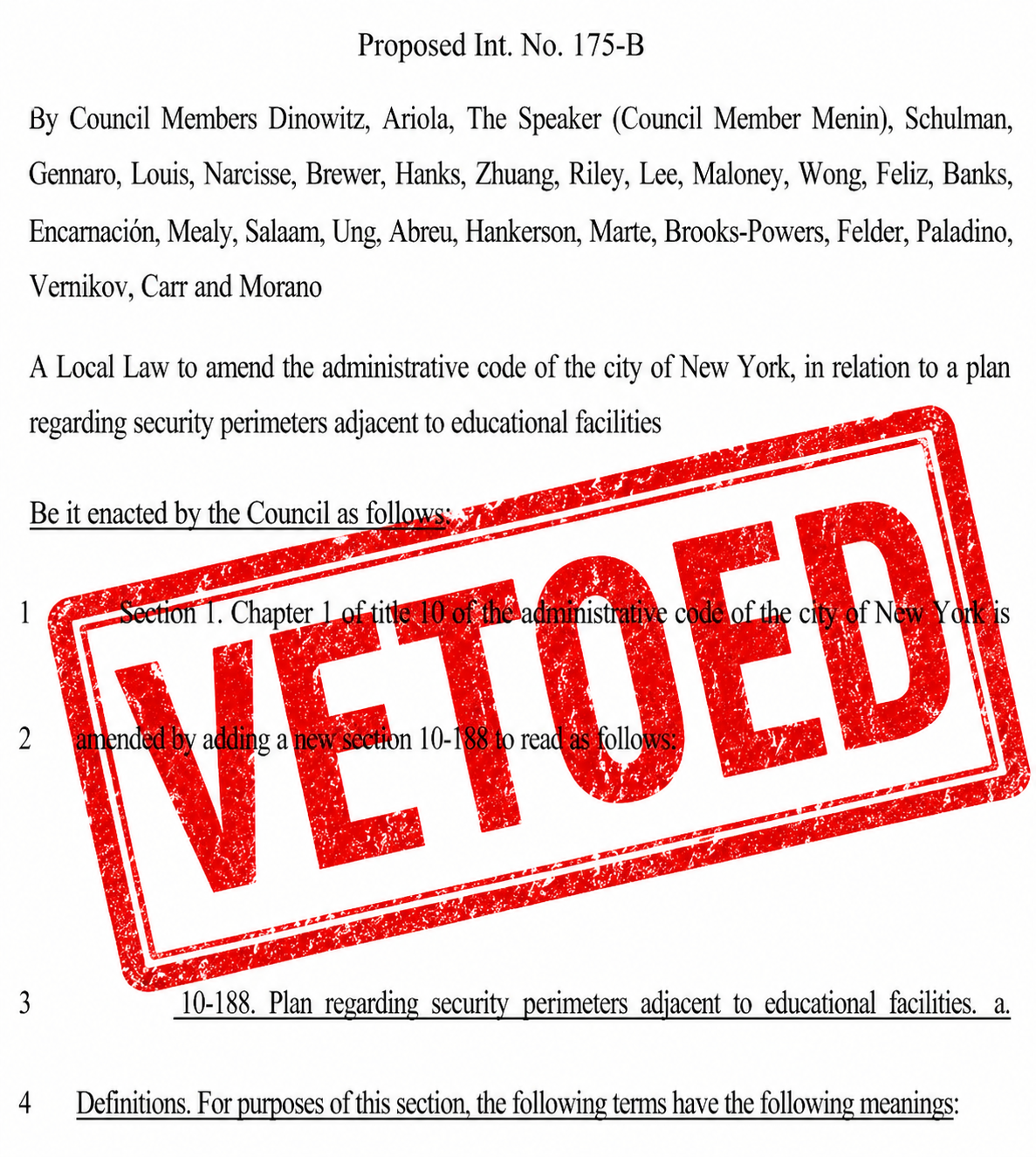
Both parts that ring true and parts that ring false raise issues of concern. At the same time, any claims on the Council side that the legislation would materially change police procedure are without basis. Did Speaker Menin have a more subtle, supplemental motive in pushing the legislation?
“What on earth is going on when asking someone to pick up after her dog triggers a much younger woman to physically attack a 75-year-old?”
This is not a story of a “horrific murder.” It is not even the story of an “especially vicious” assault. It didn’t happen in the subway; there was no “gunplay” involved.
It’s just what I guess you would call a regular assault on a 75-year-old woman, apparently for having told two people to clean up after their (unleashed) dogs.
Seattle is the only city in America attempting to recreate a Vienna-style social housing program. In an extended interview, Seattle Social Housing Developer's interim CEO discusses the authority's acquisition and construction plans, as well as many unresolved governance and financial questions.
Neither side of City Hall appears willing to engage in serious exploration of triage despite a federal administration unrelentingly hostile to cities (especially blue ones), let alone willing to take the politically difficult steps necessary to achieve excellence in delivery of city services.
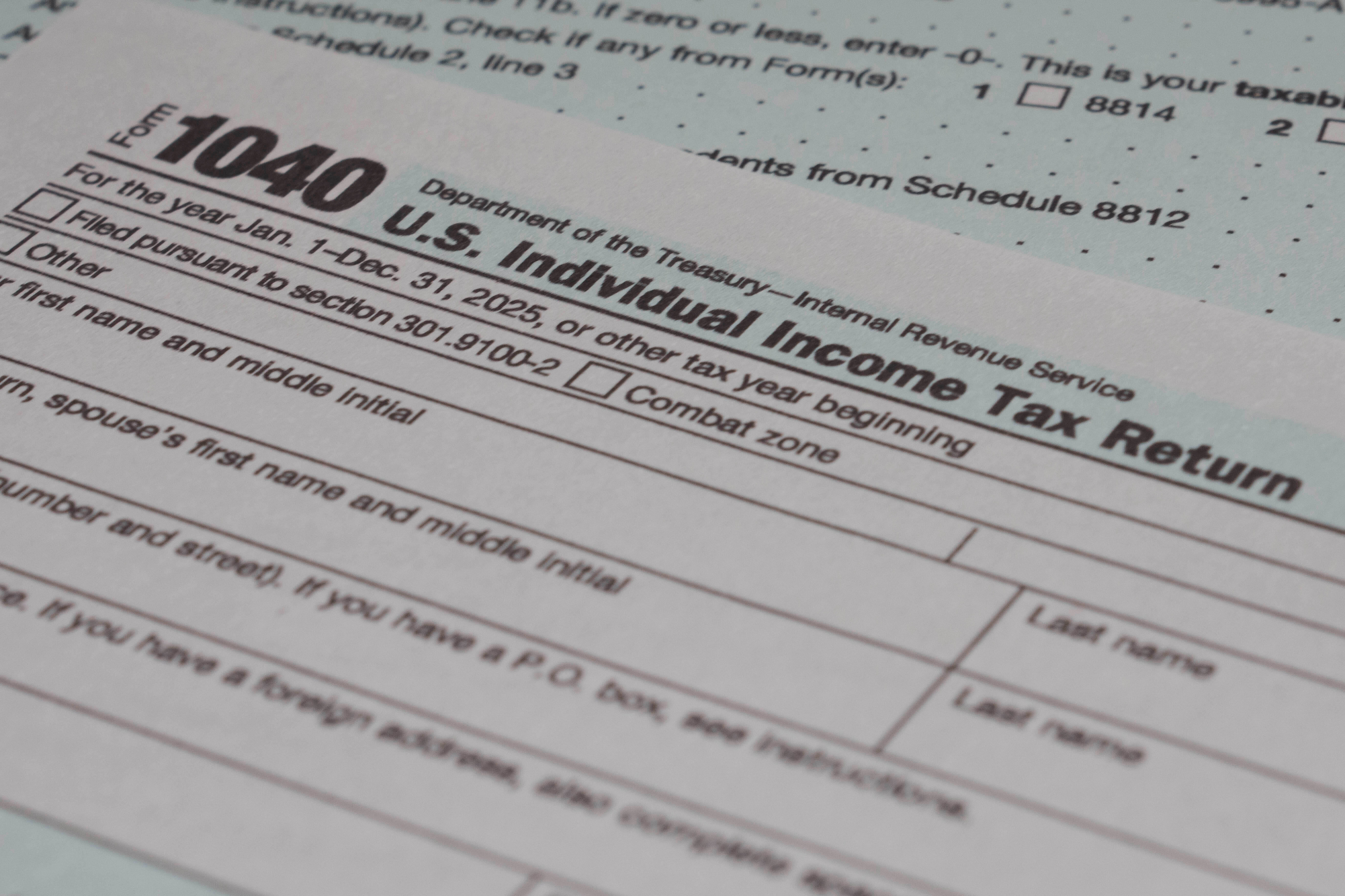
More cheating on federal tax returns would flow through to state and local returns, but state and local officials don't seem to have the potential problem on their radar. Former Chair of New York City Council Finance Committee: it's "smart to start thinking about it."
Jargon-ridden and light on genuine reflection, NYC Department of Education’s initial guidance on the use of artificial intelligence in the public schools augers a new frontier for strategic failure in a system long plagued by meager vision and reactive leadership.
Despite having the strongest law in the country, barriers to accessibility for people with mobility impairments have been allowed to persist in New York City for far too long. There's an easy toool that the Mamdani administration can use to help begin a real crackdown.
Both parts that ring true and parts that ring false raise issues of concern. At the same time, any claims on the Council side that the legislation would materially change police procedure are without basis. Did Speaker Menin have a more subtle, supplemental motive in pushing the legislation?
The element of the system that has not been getting much attention is how landlords of rent-regulated apartments recoup costs for major capital improvements (MCIs) — things like new roofs, boilers, windows, plumbing, and electrical wiring.
Legislation recently enacted by New York State as part of its budget process directly offers the prospect of preserving several thousand affordable housing units at risk for losing their tenant protections, and indirectly raises the question of why an obvious set of tools aren’t being used to change the day-to-day reality of luxury condominium buildings being developed with zero percent affordable units included.
Assigned by the presiding judge in the Mayor Adams case to grapple with issues raised by alleged improper conduct by DOJ in seeking dismissal, former Solicitor General appears to falsely pretend that "all roads" lead to a dismissal with prejudice (and not denial of leave to dismiss). We annotate the brief and ask you to consider: did Clement fairly make his case?
Even before any Trump or GOP Congress cuts this year, overall executive branch civilian employment as adjusted for population is materially down from its peak.
A large percentage of municipalities in Westchester and Nassau Counties — two of the beating hearts of exclusionary zoning in the New York City metropolitan area — are saying in effect, “No, thank you, we like our exclusion just the way we have it.” The lack of progress is especially apparent in municipalities with the lowest percentages of non-Hispanic Black residents.
Medicaid cuts, which could result in millions of Americans across the country losing health coverage, may appear politically palatable to those who subscribe to deeply-held stereotypes about Medicaid recipients (and all recipients of state-administered “welfare” programs): they are mostly Black and generally live largely in urban centers. But look at what the data say.