Leaving aside domestic incidents, and assault on police officers and other government workers, the overall increase in felony assaults as measured comparing 2019 with 2025 would have been 39.8 percent (not 44.2 percent). Not very reassuring.
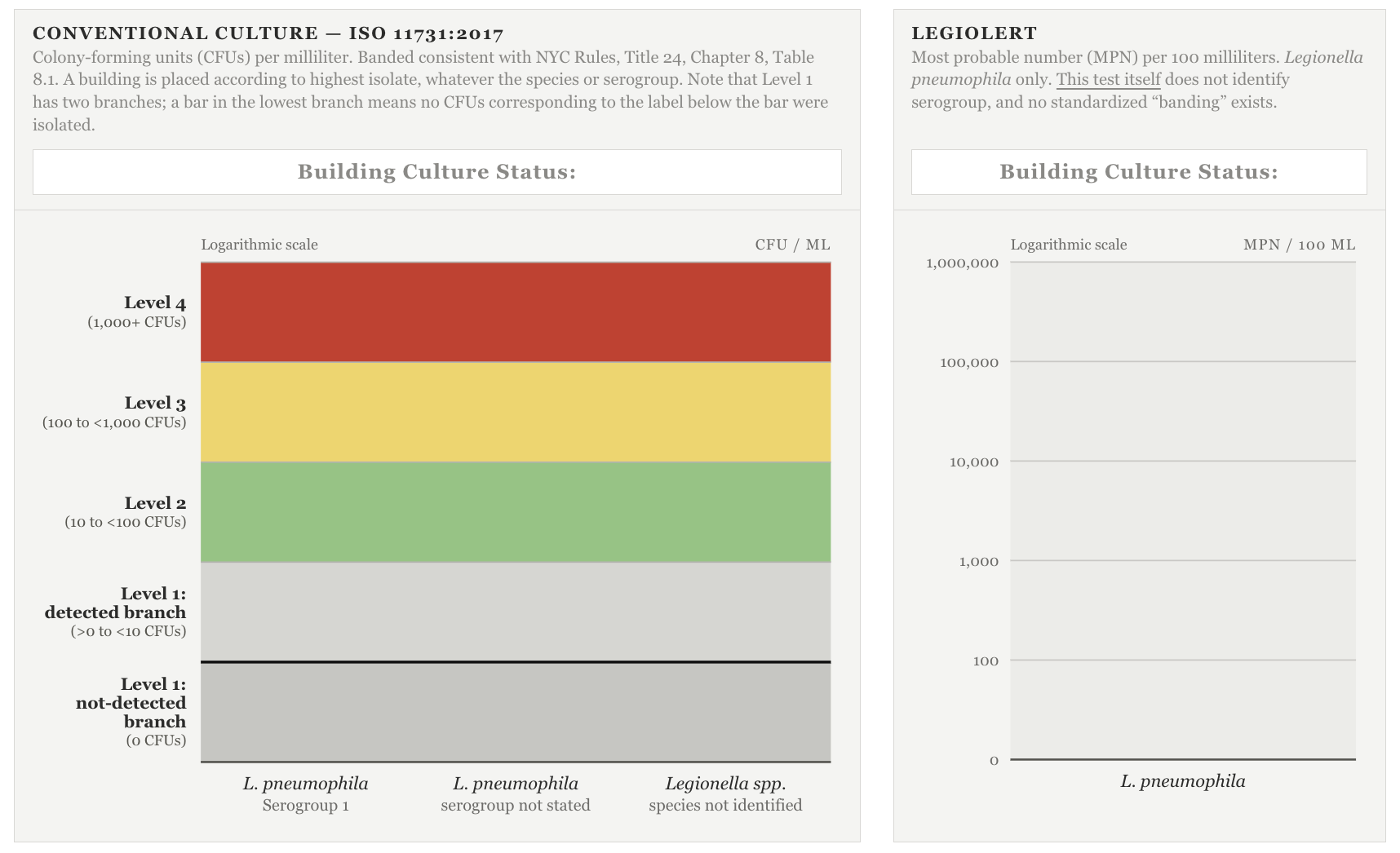
First-time look at results from Upper East Side cluster. Results confirm prudence of Health Department's proactive management once outbreak was discovered.
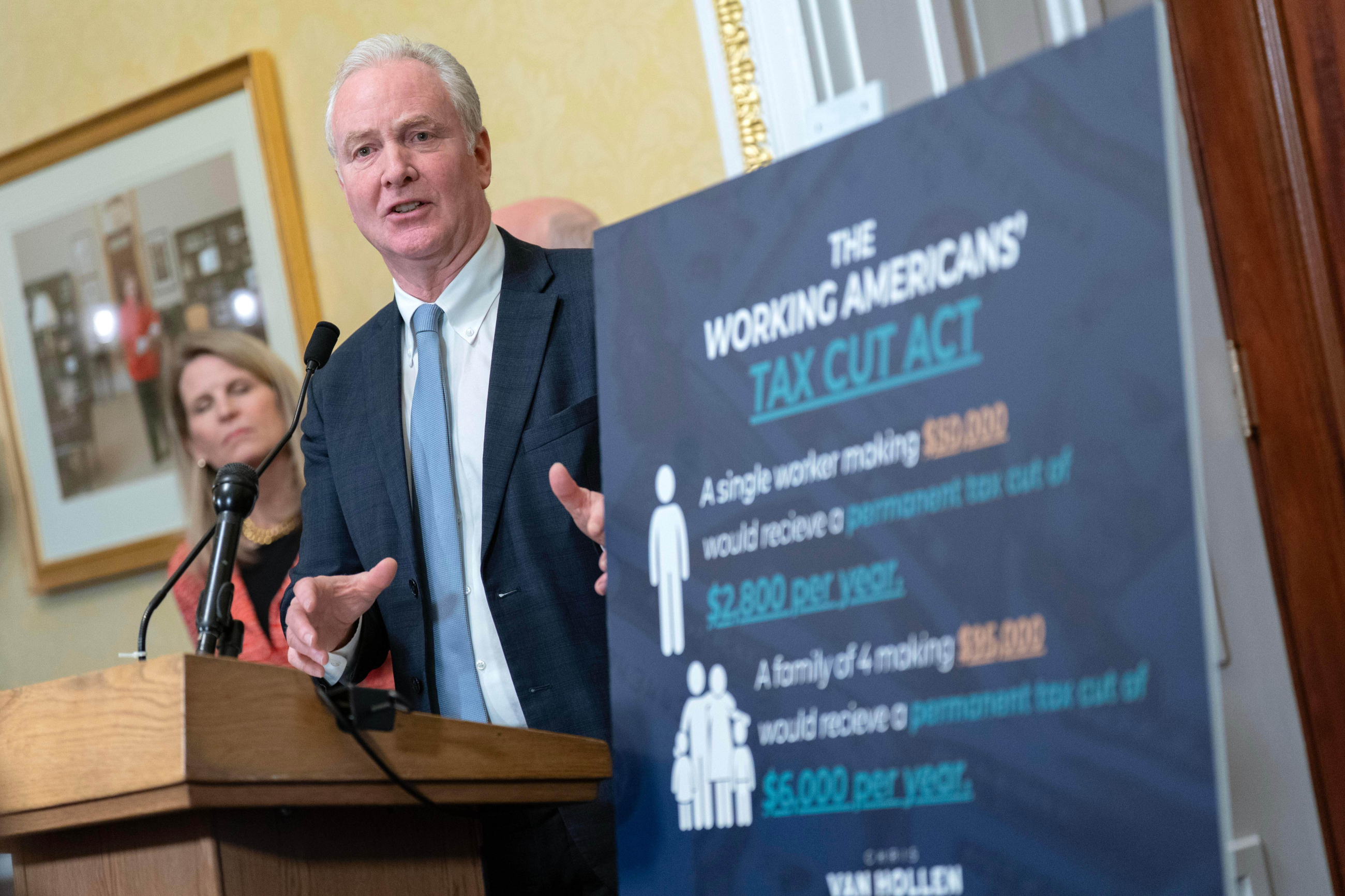
Democrats are caught in a race to the bottom with the GOP on taxes. Making the feedback loop between taxes and government services more visible; providing assurances that government can deliver on its promises; and instilling trust that the tax system is fair are all going to be necessary to convince Americans to tax themselves.
Its substantive response to the crisis at hand was strong, but it has withheld some basic information from the public. Remapping Debate has been obliged to file a freedom of information request. An upcoming City Council oversight hearing will look into a host of issues.
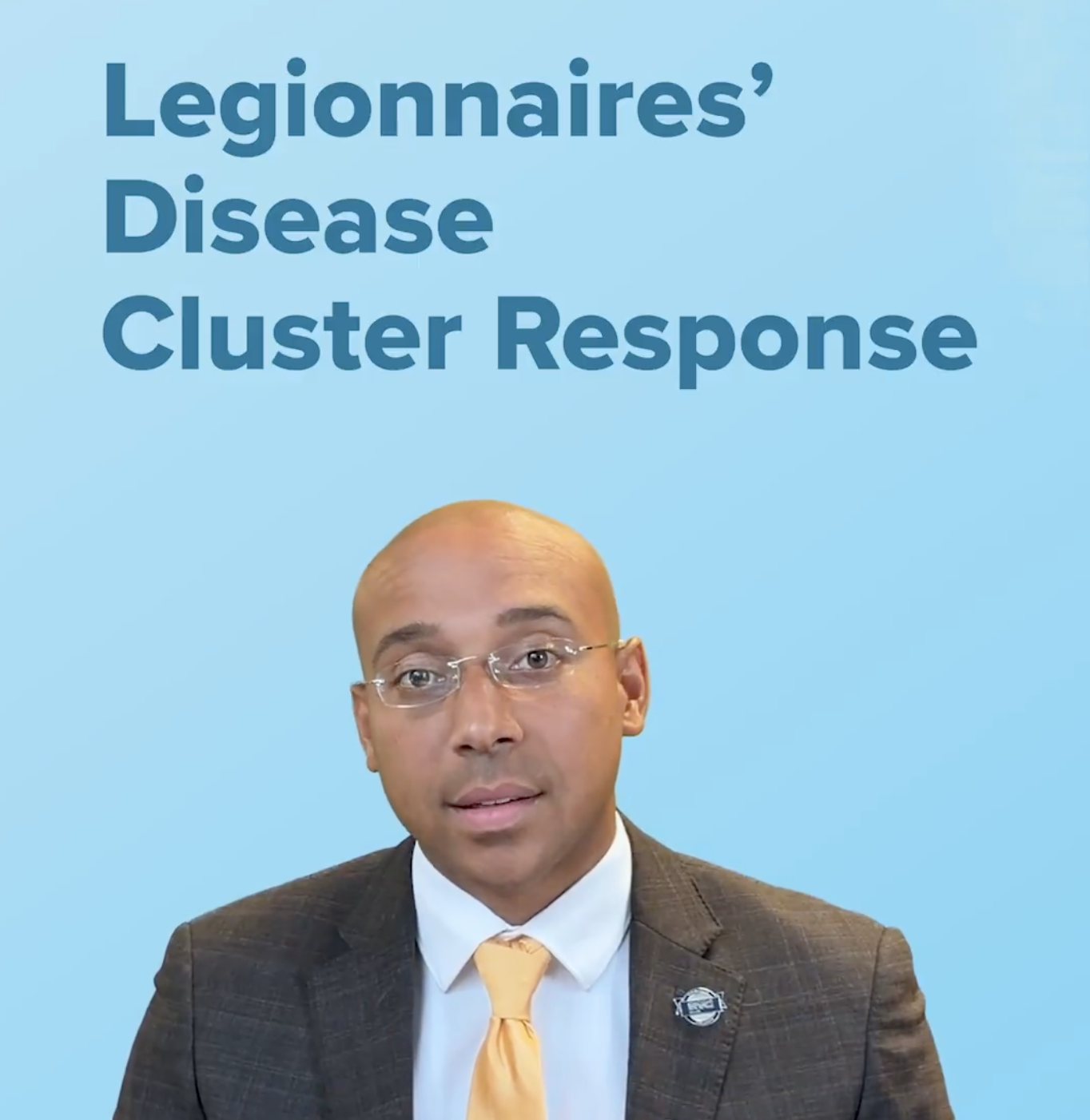
New York City's current Legionnaires' outbreak appears to be ending, but how ready will we be for the next outbreak? Key questions remain as City Council squares off against Mamdani administration.
Placing the tax burden entirely on the ultra-wealthy undermines the already difficult project of expanding government services and increasing infrastructure investment.
Overall response by NYC’s Health Dept. has been swift and decisive, and outbreak appears to be waning. More fatalities still possible. Questions remain over adequacy of information provided to public. “Privacy” rationale for non-disclosure shaky.
In the face of a new outbreak of Legionnaires’ disease, New York City’s Department of Health and Mental Hygiene quickly pivoted to a strategy of aggressive remediation and significant transparency, with more information promised shortly. But what about describing to the public the common course of Legionnaires’ in more detail?
A housing policy tool is gaining momentum that could stimulate lots of mixed-income homes for a relatively small investment. Will partisan ideology stand in the way of its spread?
Get email updates
All our latest original reporting, data visualization, interviews, and more!