
Data visualizations
Get email updates and share our reporting
All our latest original reporting, data visualization, interviews, and more!
NYPD's cited "drivers" of rise in felony assault: handle with caution
Leaving aside domestic incidents, and assault on police officers and other government workers, the overall increase in felony assaults as measured comparing 2019 with 2025 would have been 39.8 percent (not 44.2 percent). Not very reassuring.

Major capital improvements in rent-regulated buildings: still landlord-friendly
The element of the system that has not been getting much attention is how landlords of rent-regulated apartments recoup costs for major capital improvements (MCIs) — things like new roofs, boilers, windows, plumbing, and electrical wiring.
Federal employment adjusted for population tells a different story
Even before any Trump or GOP Congress cuts this year, overall executive branch civilian employment as adjusted for population is materially down from its peak.
How white is Medicaid in Trump country?
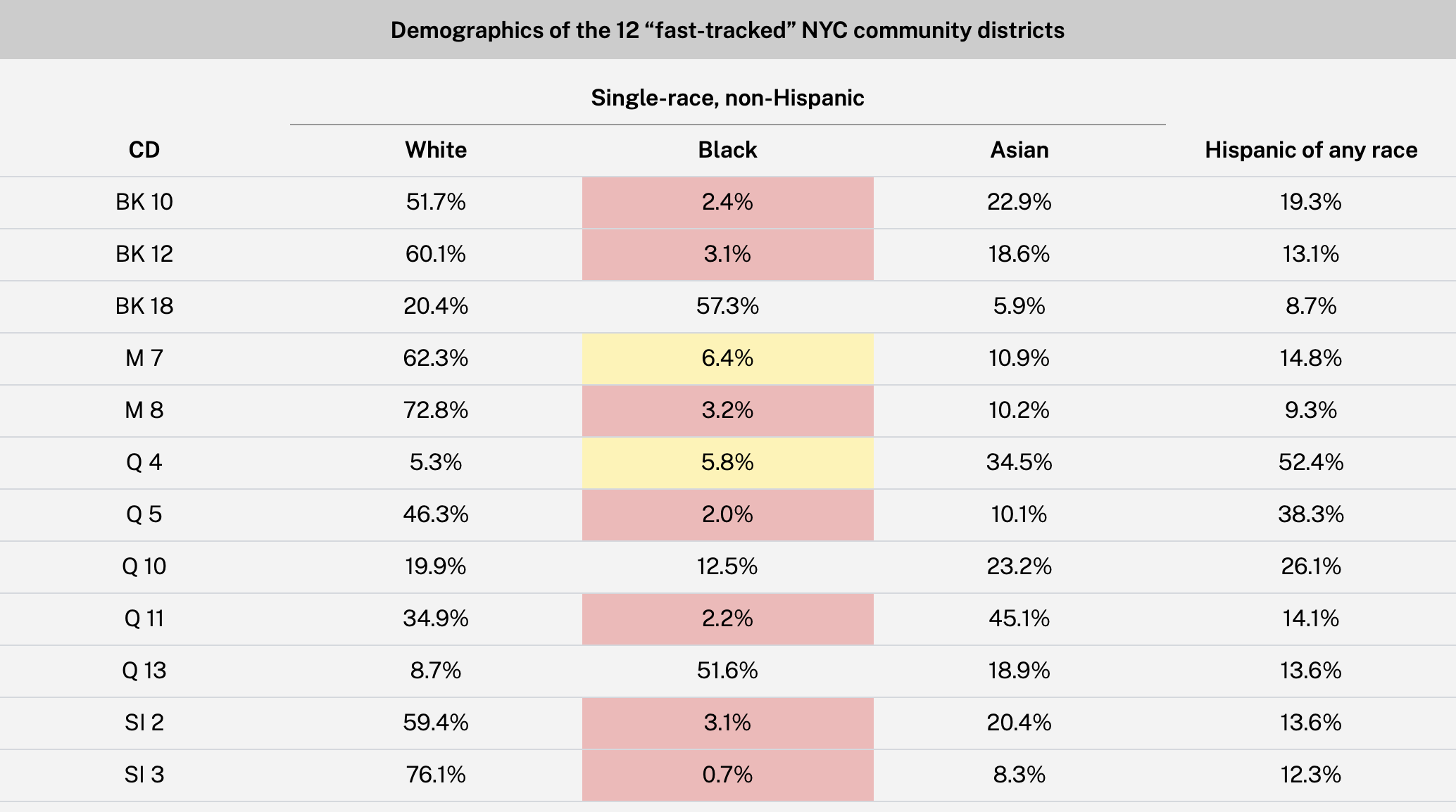
Medicaid cuts, which could result in millions of Americans across the country losing health coverage, may appear politically palatable to those who subscribe to deeply-held stereotypes about Medicaid recipients (and all recipients of state-administered “welfare” programs): they are mostly Black and generally live largely in urban centers. But look at what the data say.
Who makes what?
New visualization shows that the percentages of workers at various pay levels have not changed significantly between 1994 and 2014. Interactive tool allows you plug in any hourly wage up to $100 in 25 cent intervals.
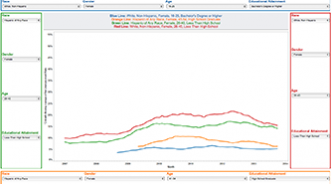
New visualizations capture crucial measure of health of labor market
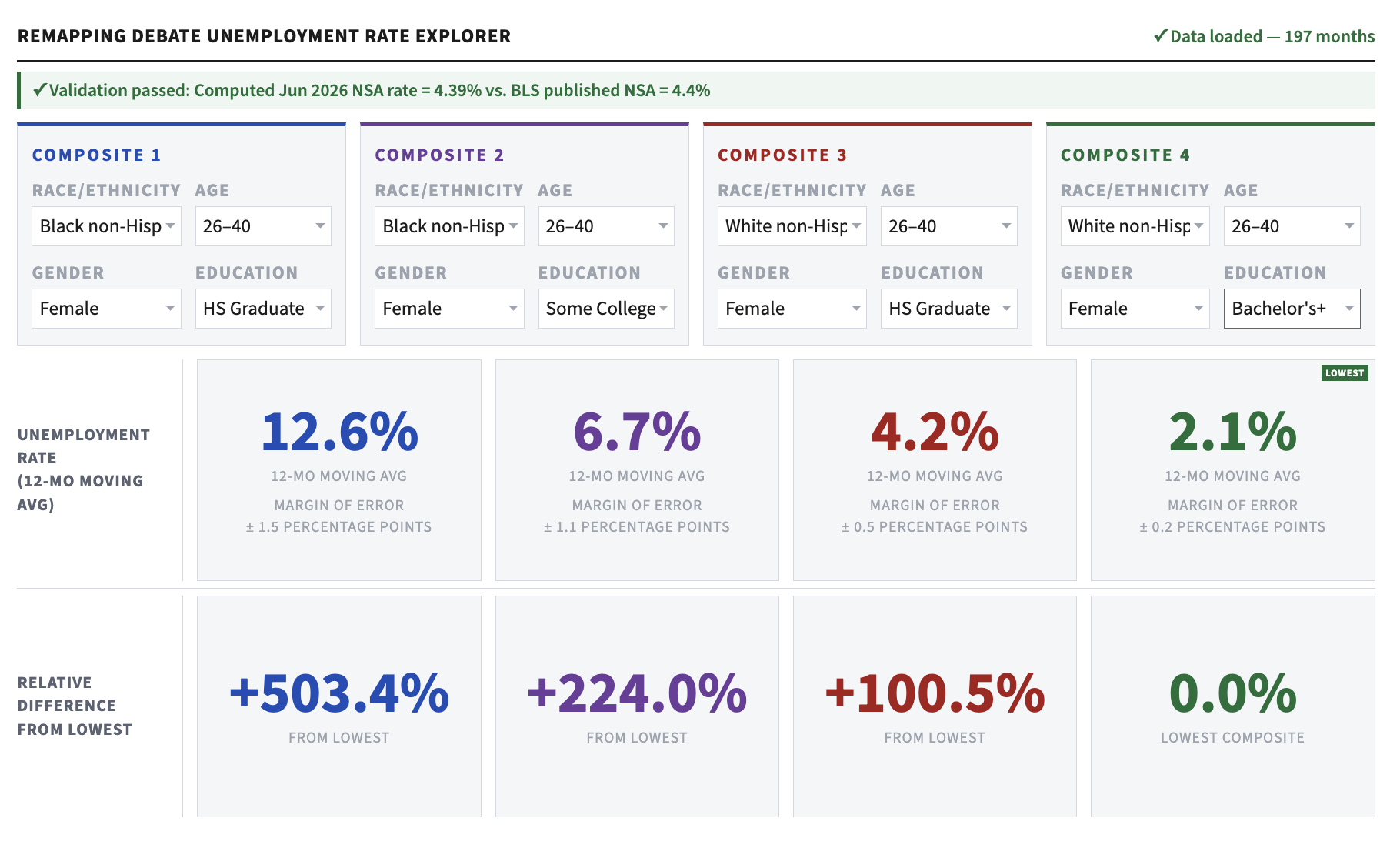
Labor force participation rate able to be assessed across scores of 4-element demographic composites.
Who earns what?
Two new data tools. Which occupations have so many high paid workers that they bust the current BLS survey method's ability to measure closely?